Cells
Electrochemical cells arranged to provide the required voltage and capacity for the model.

A practical guide to the systems behind an electric three-wheeler lithium battery and the factors that affect safe, dependable operation.
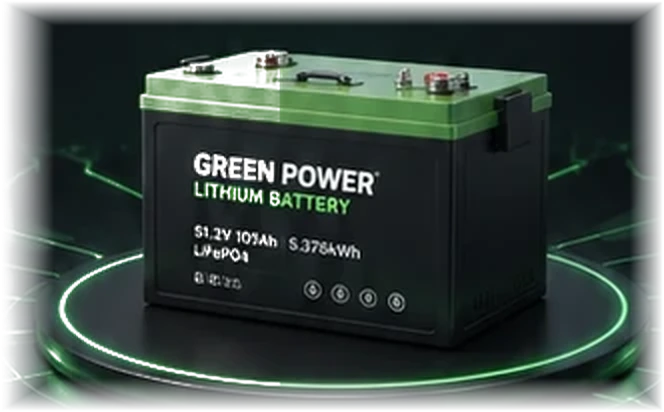
Core Components
Electrochemical cells arranged to provide the required voltage and capacity for the model.
Monitors and protects the pack within model-specific voltage, current and temperature limits.
Mechanical protection, mounting, terminals, connectors, busbars, cabling and service access.
Controls the charging voltage and profile required by the approved battery configuration.
BMS
A battery management system may monitor cell voltage, pack current and temperature and may interrupt charging or discharge under certain abnormal conditions. The functions and thresholds vary by model.
A BMS is not permission to use an incompatible charger, undersized wiring, unsafe installation or damaged battery. External fusing, cable protection, secure mounting and responsible operation remain important.
Performance Factors
| Depth of discharge | Frequent deep discharge can affect cycle life depending on chemistry and model |
|---|---|
| Charge practice | Correct voltage, profile, connection and ventilation are essential |
| Temperature | Extreme heat or cold can reduce performance and accelerate degradation |
| Load and current | High current and repeated overload can create heat and stress |
| Storage | State of charge, temperature and storage duration matter |
| Installation | Loose connections, poor cable sizing or physical movement can cause damage |
| Maintenance | Regular visual inspection and early response to abnormal behavior reduce risk |
Helpful Answers
Amp-hour is a capacity rating under defined conditions. It does not by itself state the battery’s exact energy, range or power capability.
Kilowatt-hour is an energy unit. Use the manufacturer’s model-specific value rather than assuming from a rounded market voltage.
No. Physical size, weight, controller current, charge system, cabling and mounting may make it unsuitable.
No. It operates within design limits and cannot eliminate all risks from damage, misuse, incompatible equipment or external faults.
Talk to STH
Send clear photos of labels, vehicle model, controller and charger along with your daily operating requirement.