Identify Vehicle
Record vehicle model, controller voltage, existing battery and available installation space.
High-capacity lithium energy solutions for compatible electric three-wheelers, supported by product verification, battery-care guidance and matched charger selection.
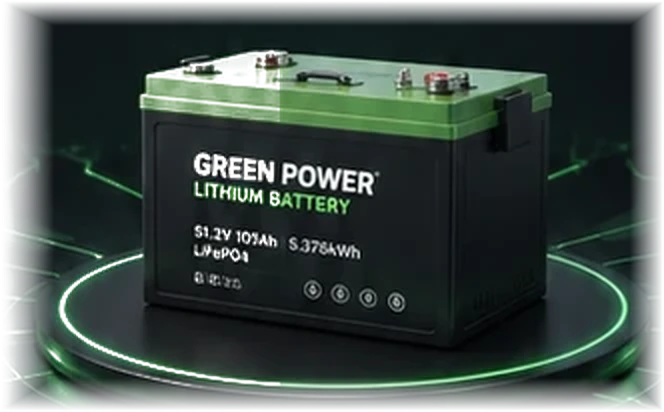
Battery Solutions
The featured STH lithium-energy line for compatible electric three-wheeler applications.
Learn moreA high-capacity product class requiring model, charger and vehicle compatibility confirmation.
Learn moreUnderstand chemistry, BMS, charging, thermal conditions and system matching.
Learn morePractical charging, storage, inspection and safe-use guidance for owners and dealers.
Learn more
Why Lithium
A suitable lithium battery may provide lower weight, more usable energy, longer cycle potential and reduced routine maintenance compared with a traditional lead-acid pack. These outcomes depend on chemistry, cell quality, BMS design, charge profile, temperature, depth of discharge and operating conditions.
A lithium conversion must never be treated as a simple box replacement. Vehicle voltage, controller behavior, wiring, connectors, physical mounting and charger compatibility must be reviewed together.
Battery Selection
Record vehicle model, controller voltage, existing battery and available installation space.
Share daily distance, passenger/load pattern, route, charging window and expected operating hours.
Select an available battery and charger combination approved for the application.
Use qualified installation, correct cable protection and secure mounting.
Preserve the serial, invoice and warranty record; monitor charging and abnormal conditions.
Helpful Answers
No. It can offer advantages, but only when the battery, charger, controller, wiring, installation and use pattern are compatible.
No unless the battery supplier explicitly confirms it. Lithium batteries require a compatible charge voltage and charging profile.
Service life depends on the specific product, depth of discharge, charging, temperature, load, storage and other operating conditions. Use the model-specific documentation.
Stop charging and using it, move people away from the immediate risk area when safe, disconnect only if trained and safe to do so, and contact technical support or emergency services as appropriate.
Talk to STH
Send the vehicle model, existing voltage, controller, charger, daily route and preferred capacity.