Park & Power Down
Secure the vehicle and follow the model shutdown instructions.
Charging guidance for owners, drivers, dealers and fleet operators, with emphasis on charger matching, inspection, supervision and abnormal-condition response.
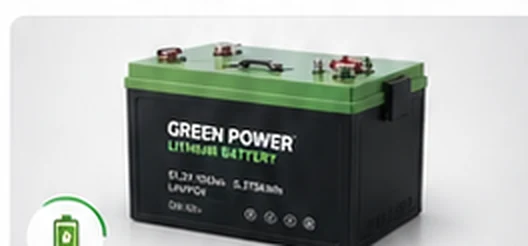
Before Charging
Check the battery model and matched charger, the AC outlet and earthing arrangement, extension or distribution equipment, connector condition and the charging area. Do not use a charger simply because the plug fits.
For fleet charging, the electrical installation must be designed for the total connected load, protection, cable rating, ventilation and operating schedule.

Charge Safely
Secure the vehicle and follow the model shutdown instructions.
Check for heat, swelling, moisture, impact, damaged insulation or loose terminals.
Use the specified connection sequence and never force or improvise a connector.
Confirm normal indication and observe for abnormal sound, smell, heat or error.
Keep charging within the approved environment and do not ignore repeated interruptions.
Complete and disconnect according to the charger/battery instructions; store the cable safely.
Do Not
| Do not mix chargers | Never use a charger not approved for the exact battery model |
|---|---|
| Do not bypass protection | Do not bridge fuses, BMS controls, relays or safety interlocks |
| Do not charge damaged products | Impact, swelling, water ingress, exposed conductors or severe heat require inspection |
| Do not improvise connections | Twisted wires, reversed polarity, loose clips and undersized adapters are dangerous |
| Do not cover the charger | Maintain ventilation and keep air paths clear |
| Do not ignore warning signs | Stop for smoke, smell, sparks, unusual heat, noise or repeated error indication |
Helpful Answers
Some chargers use active cooling. Normal behavior is model-specific, but new noise, blocked airflow or overheating should be inspected.
Only if the electrical installation and cable are properly rated, protected and approved. Coiled or undersized extensions can overheat.
Follow the product instructions and local safety plan. Charging should occur in a suitable supervised environment with functional protection.
Record the charger indicators, battery state, runtime and recent behavior, then contact support. Do not alter charger settings.
Talk to STH
Send the battery model, serial, current charger label and connector photos for compatibility review.