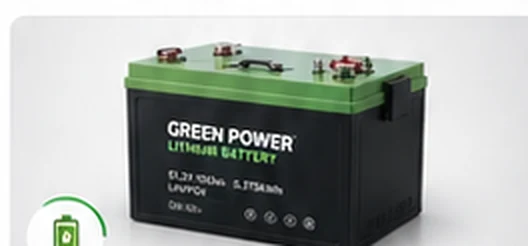
Check charging voltage, battery chemistry, output current, polarity, and connector fit before buying a lithium battery charger.
Start with the battery manufacturer’s requirements
The correct charger is determined by the pack’s chemistry, series-cell arrangement, BMS limits, and approved charge profile. The most reliable starting point is the original battery label or manufacturer documentation. Matching only the marketing name or pack dimensions is not enough.
Read the charger output label
Look for the DC output voltage and maximum output current, not just the input mains voltage. A rating printed as Ah on a charger listing may be unclear or incorrectly transcribed; charging current is normally specified in amperes (A). Ask for a clear photograph of the actual charger label.
Check connector and polarity
Two chargers can have identical voltage ratings and different connector pin assignments. Verify positive and negative polarity, physical connector fit, pin count, and whether the battery requires a communication handshake. Never force a connector or adapt wiring without qualified assessment.
Consider temperature and protection
Use a charger intended for the battery type and environment. Inspect the cable, plug, and casing. If charging produces unusual heat, swelling, a burning smell, or repeated faults, disconnect safely and arrange professional inspection.
What we list
STH has draft entries for Green Power, KinYear, Dowedo, SM King, and DJDC chargers. Some imported descriptions have ambiguous unit labels; exact output voltage, current, and connection details need verification before a charger can be recommended.
Need help selecting compatible products? Explore the STH product catalog and request verified model details before purchasing.