Understand common warning signs and how to distinguish a battery problem from charger, wiring, or controller faults.
Symptoms are not a diagnosis
Reduced travel distance, charging interruptions, and unexpected shutdowns can arise from battery aging, charger defects, loose connectors, controller protection, or operating conditions. Replacing a battery without a proper diagnosis can be expensive and may fail to solve the issue.
Inspect safely
Look for visible cable damage, overheating marks, corrosion, loose mounting, or signs of moisture. Avoid touching exposed conductors or opening battery packs. If there is swelling, smoke, strong odor, or abnormal heat, discontinue use and seek qualified assistance.
Test the right parameters
A technician can compare actual charger output and battery behavior with manufacturer specifications, inspect connections, and review fault codes where available. Testing procedures differ by battery chemistry and vehicle model.
Record the replacement details
Before ordering, note the battery nominal voltage, approved full-charge voltage, capacity, physical size, connector pinout, charger ratings, and exact model number. Photographs of the original labels reduce ordering mistakes.
Replacement products in the catalog
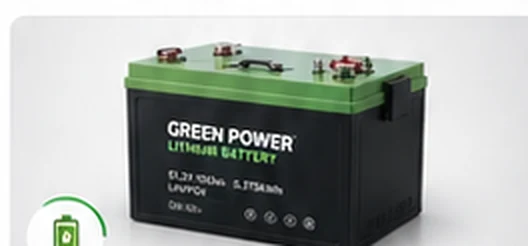
STH lists several replacement battery and charger entries for brands such as Green Power, KinYear, Dowedo, and Jinding. The exact compatibility and availability of these draft entries should be confirmed before purchase.
Need help selecting compatible products? Explore the STH product catalog and request verified model details before purchasing.