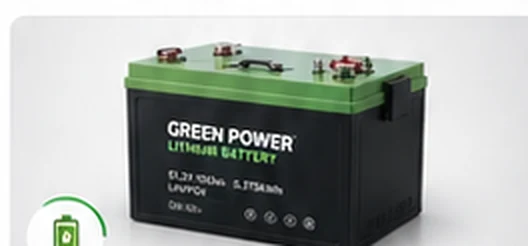
Compare lithium and lead-acid battery systems for electric easy bikes without overlooking weight, charger compatibility, and total ownership costs.
Compare the complete system
Lithium and lead-acid batteries differ in energy density, charging needs, weight, operating characteristics, and maintenance requirements. The right choice depends on how the vehicle is designed and used, not on a single headline feature.
Look beyond purchase price
The overall cost includes installation, a compatible charger, expected service life under the intended duty cycle, safe handling, maintenance, and end-of-life recycling. Avoid relying on general lifespan promises without the manufacturer’s cycle-life test conditions.
Fit and wiring are critical
Replacing a lead-acid arrangement with a lithium pack may require assessment of voltage compatibility, motor controller limits, charging hardware, physical mounting, connectors, and BMS behavior. A conversion should be planned by a qualified technician.
Daily-use questions
Consider passenger or cargo load, daily travel distance, available charging time, route conditions, local servicing options, and storage temperature. These practical requirements matter alongside battery chemistry.
Where STH fits
STH’s current draft catalog covers multiple battery families, including lithium listings and several entries whose chemistry needs clarification. Ask for the exact model and data sheet before comparing offers.
Need help selecting compatible products? Explore the STH product catalog and request verified model details before purchasing.