Understand battery ampere-hour ratings and why Ah alone does not determine electric easy bike range, performance, or suitability.
What an Ah rating tells you
Ampere-hours measure the quantity of electric charge a battery can deliver under specified conditions. A higher Ah rating may indicate more stored charge within the same battery chemistry and voltage class, but it does not independently describe driving range, weight, power output, or pack quality.
Compare energy on the same basis
For a useful comparison, look for the nominal voltage and calculate approximate watt-hours (Wh = V × Ah). Compare two packs using verified manufacturer ratings, not incomplete seller labels. Even two packs with similar Wh can behave differently under high loads or in hot conditions.
BMS and discharge limits matter
An easy bike may demand substantial current when accelerating or climbing. A pack’s continuous discharge capability, peak current allowance, thermal management, and BMS design determine whether it can support the application. Higher Ah does not automatically mean higher peak power.
Check the practical fit
Also compare dimensions, total weight, wiring, connectors, service provisions, and charger compatibility. Confirm whether the advertised capacity is nominal, rated, or measured under a specified test standard.
STH catalog context
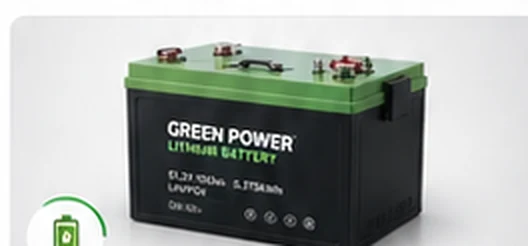
Our imported entries include Green Power products described with 142Ah, 166Ah, and 190Ah values, and other products described as 150Ah or 165Ah. Voltage and some details are not available for every entry, so obtain the exact data sheet before comparing them directly.
Need help selecting compatible products? Explore the STH product catalog and request verified model details before purchasing.