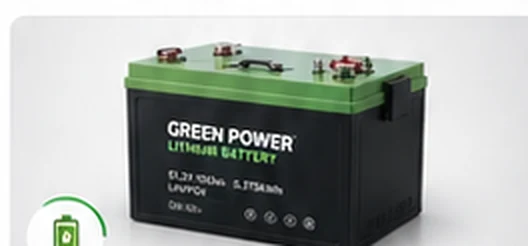
Simple safety practices for charging and storing electric easy bike and lithium batteries in hot, humid conditions.
Follow the manufacturer first
Battery charging, temperature limits, and storage recommendations vary by chemistry and pack construction. Follow the battery and charger manuals over generic internet advice, especially for lithium systems with a dedicated BMS.
Create a safe charging area
Use stable, undamaged electrical connections in a dry, ventilated place away from combustible materials and standing water. Do not cover a charger during operation. Avoid improvised extension cables or overloaded wall outlets.
Watch for warning signs
Stop using a battery or charger that shows swelling, unusual heat, persistent error indications, damaged wiring, leakage, smoke, or a burning smell. Do not open a damaged pack or attempt to repair battery cells without appropriate training and equipment.
Consider local climate
High ambient temperatures, direct sun, heavy rain, and humidity can affect equipment. Protect charging equipment from weather and comply with manufacturer operating conditions. Never charge a battery that has been submerged or significantly damaged until a qualified professional has inspected it.
When storing a vehicle
Follow the recommended storage state of charge, disconnect procedures, and inspection intervals for the specific battery. Keep records of service and observed faults to help technicians diagnose problems.
Need help selecting compatible products? Explore the STH product catalog and request verified model details before purchasing.