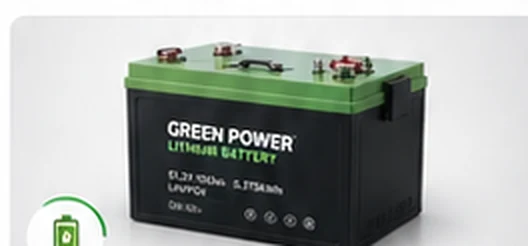
A practical comparison of 51.2V and 64V lithium battery systems, including vehicle compatibility, charging requirements, and common selection mistakes.
Why voltage matters
Battery voltage affects the electrical system a controller and motor are designed to use. A 51.2V battery and a 64V battery should not be treated as interchangeable simply because they look alike or fit the same compartment. The manufacturer’s supported operating range matters more than a convenient label.
Nominal voltage is not charging voltage
Lithium systems use different cell counts and chemistries. Their full-charge voltages are higher than their nominal labels, and a charger designed for one pack configuration may not be safe for another. The BMS specification, connector polarity, and allowed charging current should also be checked.
Capacity is a separate decision
A 150Ah label speaks to charge capacity, not directly to voltage. Approximate nominal energy can be estimated as volts multiplied by ampere-hours, but actual usable energy depends on the pack design and operating limits. Ask for a manufacturer data sheet before making range claims.
A selection checklist
Record the vehicle/controller rating, charger output label, pack dimensions, mounting points, BMS limits, connector type, and verified warranty terms. Do not modify wiring merely to make an incompatible pack connect.
Related STH product families
Our draft catalog includes KinYear lithium entries identified as 51.2V or 64V, plus Dowedo 51.2V 150Ah and 64V 150Ah batteries. Confirm every unit and model detail before placing an order.
Need help selecting compatible products? Explore the STH product catalog and request verified model details before purchasing.