Define
Record target use, quantity, expected operating conditions and required configuration.
Product sourcing starts with application requirements—not only a catalogue image or headline specification.
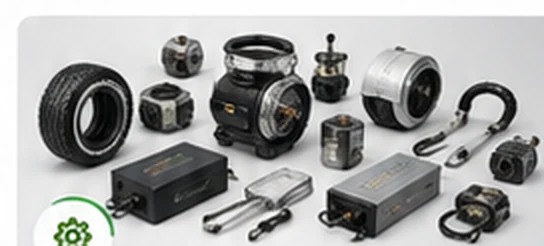
Supplier Review
A sourcing decision should consider whether a manufacturer or supplier can provide consistent model information, commercial documentation, packaging, serial identification and after-sales communication.
For batteries and chargers, compatibility and available protection information are especially important. For vehicles and parts, dimensions, load application, controller or electrical requirements and replacement availability may affect suitability.
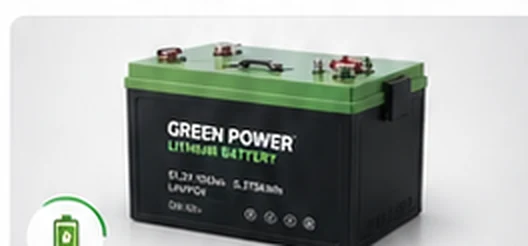
Decision Process
Record target use, quantity, expected operating conditions and required configuration.
Compare suppliers, model references, documents, lead times and commercial terms.
Confirm the exact written specification and accepted sample or reference where applicable.
Place the commercial order with traceable documents and agreed responsibilities.
Check incoming products against the ordered identity and visible shipment condition.
Sourcing Priorities
A product must suit the intended vehicle, route, load, voltage and operating pattern.
Model, serial, supplier and transaction information should remain identifiable.
Replacement products, chargers and parts should be considered as part of long-term support.
Published claims should reflect confirmed documents or defined test conditions.
Talk to STH
Provide the product category, target specification, quantity and intended use for a business discussion.